[1] Oelke M, Madersbacher S. Primär- und Sekundärprävention des benignen Prostatasyndroms: Aktueller Wissenstand und Auswirkungen auf die klinische Routine [Primary and secondary prevention of benign prostatic hyperplasia: current knowledge and implications for clinical management]. Urologe A. 2011 Oct;50(10):1257-8, 1260-4. German. doi: 10.1007/s00120-011-2618-3. PMID: 21901570.
[2] Parsons JK, Sarma AV, McVary K, Wei JT. Obesity and benign prostatic hyperplasia: clinical connections, emerging etiological paradigms and future directions. J Urol. 2013 Jan;189(1 Suppl):S102-6. doi: 10.1016/j.juro.2012.11.029. PMID: 23234610.
[3] Monti S, Di Silverio F, Lanzara S, Varasano P, Martini C, Tosti-Croce C, Sciarra F. Insulin-like growth factor-I and -II in human benign prostatic hyperplasia: relationship with binding proteins 2 and 3 and androgens. Steroids. 1998 May-Jun;63(5-6):362-6. doi: 10.1016/s0039-128x(98)00034-8. PMID: 9618803.
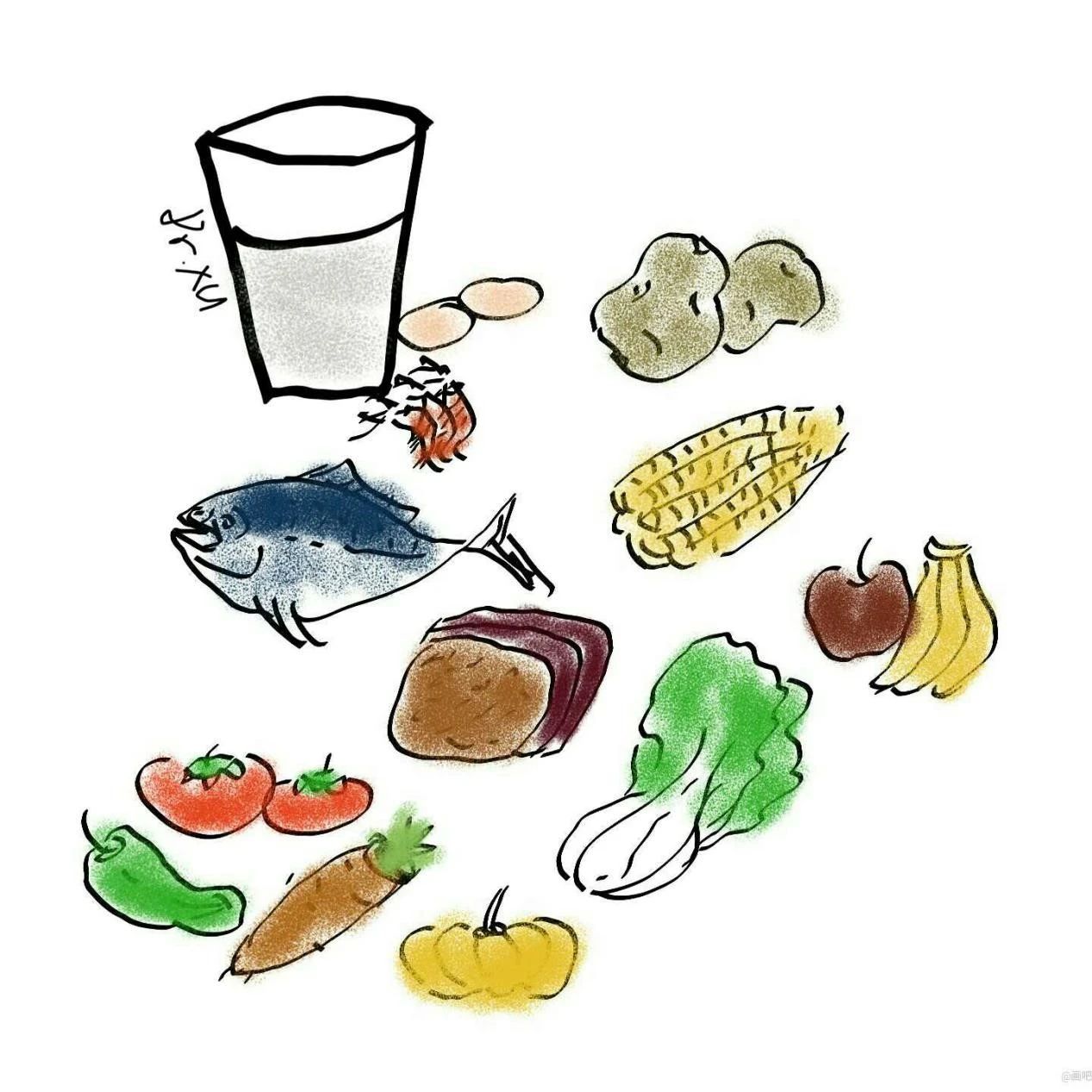
[4] ElJalby M, Thomas D, Elterman D, Chughtai B. The effect of diet on BPH, LUTS and ED. World J Urol. 2019 Jun;37(6):1001-1005. doi: 10.1007/s00345-018-2568-0. Epub 2018 Nov 23. PMID: 30470872.
[5] Kristal AR, Arnold KB, Schenk JM, Neuhouser ML, Goodman P, Penson DF, Thompson IM. Dietary patterns, supplement use, and the risk of symptomatic benign prostatic hyperplasia: results from the prostate cancer prevention trial. Am J Epidemiol. 2008 Apr 15;167(8):925-34. doi: 10.1093/aje/kwm389. Epub 2008 Feb 7. PMID: 18263602.